Cross border payments look simple on a whiteboard. “Take $100, turn it into rupees, and send it overseas.” Easy, right? Except when you’re the one building the system, it feels less like arithmetic and more like juggling fire. One bad forex conversion, and suddenly you’re facing irate customers, refund requests piling up like Monday morning emails, and a CFO wondering why the forex numbers don’t add up.
I’ll never forget what a developer once told me about the day their money transfer app melted down. They had been using a free API for currency rates to cut costs. On a Friday — because of course disasters love Fridays — the markets were unstable. His phone wouldn’t stop buzzing with Slack alerts. The foreign exchange rates showing in the app were different from what customers were charged. “It felt like my own code had betrayed me,” he admitted. What followed was a chaotic weekend: thousands of dollars lost to refunds and a string of one-star reviews that haunted their Play Store listing.
Lesson learned? In the world of currency exchange, accuracy isn’t optional. It’s survival.
Why Accuracy in Forex Data Matters?
1. Trust is Delicate
Users don’t just want to see live foreign exchange rates — they demand them. Imagine buying a $100 jacket and finding your card charged ₹9,000 instead of ₹8,200. Would you return to that store? Probably not.
2. Margins Disappear Quickly
The markets never stand still. A tiny slip in an API for currency rates can cost businesses money — or worse, cost users their trust. SMEs in the UK are estimated to lose around £90,000 a year to poor FX practices. That’s not a rounding error; that’s a salary gone.
3. Pricing with Confidence
Every currency exchange app lives or dies by this: $100 should equal exactly what you promised in euros, yen, or rupees. Anything else means disputes, distrust, and dreaded support tickets that begin with “Why was I charged…?”
4. Real-Time or Bust
Delays destroy confidence. Reliable API for currency rates refresh every 30–60 seconds, sometimes faster. Without that, you’re quoting yesterday’s market in today’s transaction. That’s like serving last night’s leftovers at a five-star restaurant. No one’s impressed.
5. The Basics of Automation
Every money exchange app is just gears turning behind the curtain. If your forex tool isn’t reliable, the gears grind to a halt. Reconciliation fails, audits break, and instead of building new features, your developers spend weekends patching bugs.
The Real Cost of Getting it Wrong
Let’s be honest. Without a solid API for currency rates, you’re asking for:
- Refunds piling up like unread emails.
- Regulators breathing down your neck (PSD2, CBPR2 don’t play nice with hidden spreads).
- Settlement delays that turn “instant transfers” into “maybe next week.”
- Worst of all? Users telling their friends never to use your app.
And once trust evaporates in foreign exchange, it rarely comes back.
How Real-Time Rate Services Save the Day
APIs today aren’t fancy add-ons; they’re lifelines:
- Live Accuracy: Updates every few seconds so there are no surprises at checkout.
- Credible Sources: Rates pulled from central banks and interbank feeds, not someone’s half-updated spreadsheet.
- History on Demand: Need to prove what rate you used last April at 3:15 PM? The good ones have it logged.
- Crypto-Friendly: Users expect BTC→USD or ETH→INR conversions. If your provider can’t deliver, they’ll look elsewhere.
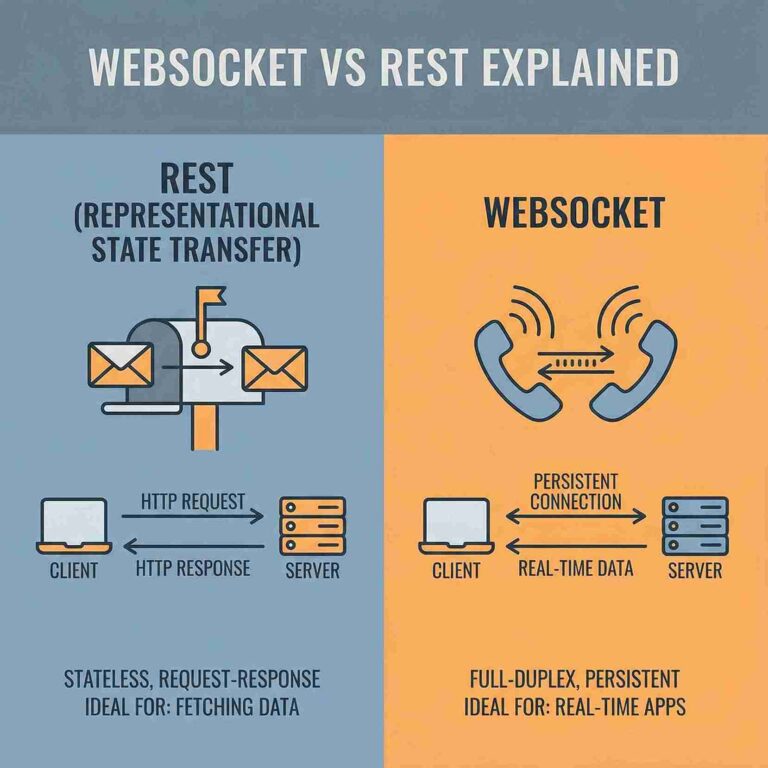
- Developer-Friendly: REST/JSON, simple docs, secure keys. Because integrating an API for currency rates shouldn’t feel like assembling IKEA furniture blindfolded.
What Developers and Founders Are Saying
- Developers on DEV.to recommend APIs with batch conversion support and broad currency coverage to keep systems efficient.
- Trio.dev points out that today’s cross border payments still lean on slow SWIFT rails. The future? CBDCs and blockchain rails. Translation: choose an API that’s ready for tomorrow, not just today.
Case Study: 3S Money’s Big Win
Take 3S Money, a UK-based fintech. They were buried under hidden costs, mismatched rates, and endless manual reconciliations. Their solution? An API for currency rates that locked in interbank rates. The results were transformative: faster payments, transparent pricing, and clients who finally felt confident in the service.
It’s proof that the right API for currency rates doesn’t just prevent disaster — it powers growth.
The Providers You Should Know
| Provider | Coverage | Update Frequency | Notes |
| XE | 170+ currencies | 60s to daily | Aggregates 100+ sources, globally trusted |
| Currencylayer | 168+ + crypto | 60s (paid plans) | 19 years of historical data, easy JSON |
| FastForex | 145+ + crypto | 60s | 1M free calls/month, 9+ years of history |
| Open Exchange Rates | 200+ currencies | Hourly (free) to live | Strong developer community, simple setup |
| IBRLIVE | 3000+ currencies | Real-time interbank | RBI-licensed, SME pricing from $9, plus forecasting tools |
Why IBRLIVE Deserves Attention
Most APIs just spit out numbers. IBRLIVE builds trust. With real-time interbank rates, RBI licensing, and forecasting tools, it’s made for businesses that can’t afford to gamble on FX accuracy. And starting at just ₹765/month, even SMEs can get enterprise-level forex solutions.
Think of it like flying: lots of providers give you a cockpit. IBRLIVE gives you a cockpit with radar.
Wrapping It All Up
In the world of currency exchange and cross border payments, accuracy isn’t a bonus — it’s the baseline. A reliable exchange rate API or currency converter API means:
- Users always know exactly how much they’re exchanging.
- Compliance is built in, not bolted on.
- Developers don’t spend weekends firefighting API fails.
Providers like IBRLIVE show that when data is right, payments flow smoothly, customers stay happy, and businesses grow without friction.
So next time you’re tempted to save a few bucks with a free feed, ask yourself: is risking trust, money, and your sanity worth the $50?