In the world of cross-border payments, prepaid wallets and multi-currency apps are battling hard for the title of “best exchange rate,” increasingly powered by transparent pricing built on a reliable Currency API. People don’t like losing money because of hidden spreads, unfair markups, and unclear conversions, which makes this a powerful selling point. But offering the greatest rate often means less money for the wallet provider—and in fast-fluctuating markets, it can quickly turn into a bad deal.
How can a wallet offer rates that are better than those at a bank and still make money?
The answer lies in using a real-time Curency API along with a robust FX strategy.
Why “Best Rate Guarantee” Is the New Fintech USP
People are comparing more and more things, even the costs of changing money. They think that trust and openness are the same thing. Fintech wallets that offer current, fair, and clear FX rates right away are different from:
- Banks with huge spreads
- Money changers that charge extra fees
- Apps that silently raise pricing in the middle of the market
A wallet displays fairness and builds long-term loyalty by offering a “Best Rate Guarantee.”
The Problem with Making Money
The trouble is that FX spreads don’t look like much, yet here is where wallet businesses generate money. In a standard conversion,
| Part | Explanation |
| Interbank Rate | The markup or spread, which is the wallet’s profit, is the genuine market rate. |
| Buffer for Change | A safety net when rates go up or down |
If a wallet tries to beat the rates of every other wallet all the time, especially if it doesn’t have genuine data, it could wind up pricing below cost, losing spread revenues, having difficulty during market spikes, and fighting with customers.
This is why it’s crucial to be able to see FX right away.
How Curency API Solve the Margin vs. Transparency Problem
Instead than relying on delayed bank feeds or static spreadsheets, wallets can connect to live Currency API that get interbank values in real time. For example, APIs like IBRLIVE send exact USD/INR or EUR/INR feeds straight to a wallet’s pricing system.
This functionality lets a wallet accomplish the following:
- Look at the market right away
- Rates alter every few seconds or minutes.
- Instead of a fixed markup, use a smart one.
- Lock in short-term rates
- Make it apparent how many conversions there are
This helps you give a Best Rate Guarantee that is based on facts.
Clever ways wallets can make money without losing it
Wallets can employ a number of methods to offer the best rate while yet keeping their money safe:
- Dynamic Markup
Change the margins based on how volatile the market is instead of using a fixed percentage. - Rate with a Time Limit Locks
Lock a shown rate for only 30 to 120 seconds, not for long periods of time. - Controls for the Volatility Threshold
When the market moves a lot, stop or widen spreads. - Pricing Based on Corridors
For different corridors, such as USD-INR and GBP-INR, use different markup logic. - Looking at what other companies are doing
Check out rates from banks and public sources like Google FX, and then illustrate how much you can save in a form that is easy to understand.
With and without the Curency API
| Scenario | Without Curency API | With Curency API |
| Rate Source | Live interbank stream that is stuck or late | Interbank stream that is real time and fast |
| Margin Control | Manual | That Changes Based on Rules |
| Trust Factor | Low trust factor | High trust factor because of transparency |
| Risk | High | Managed |
Things to Look for in an Curency API
A good Curency API should have:
- Real-time interbank rates
- Pairs of INR currency
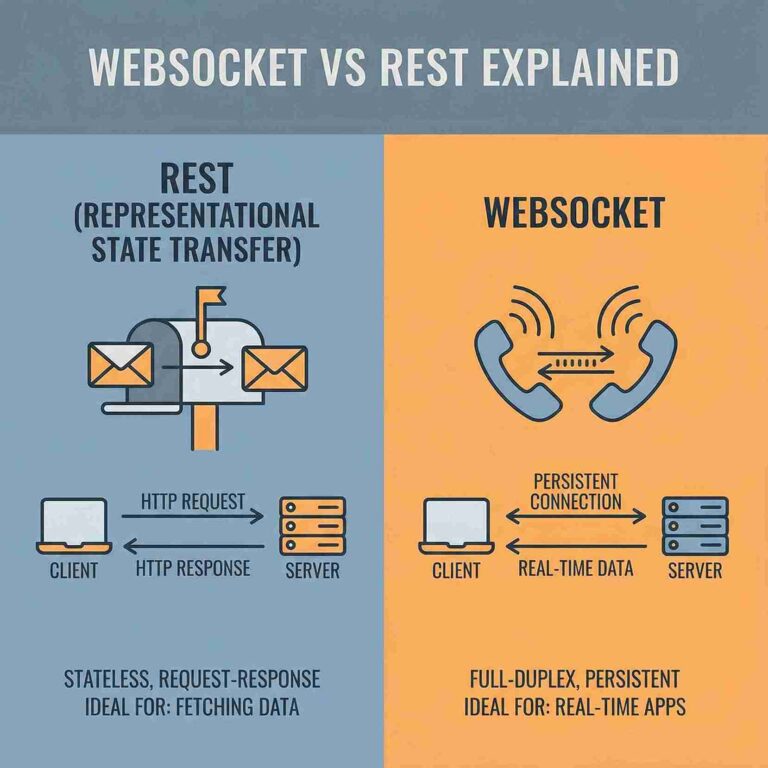
- Support for WebSocket or quick refresh
- Information about past rates
- Adding REST in a safe method
- A lot of time and reliability
IBRLIVE, Open Exchange Rates, and Currencylayer are all APIs that can help with these needs. IBRLIVE is really helpful for INR corridors.
Finally
A “Best Rate Guarantee” is no longer just a marketing term. It helps people trust each other. But to give it away without damaging profits, wallets need to stop using static rate tables or one-time bank feeds. Instead, they should do this:
- Use live Currency API to get the exact price.
- Use dynamic markup logic
- Use volatility controls to keep spreads safe.
With the right API and pricing strategy, wallets can be profitable while showing customers real-time conversion rates that are easy to grasp.