These days, companies sell things to individuals all over the world, relying on real-time FX API to price transactions accurately. A student in London might pay for school, whereas a consumer in India might buy items crafted by hand. This worldwide reach opens up a lot of ways to make money, but it also creates a constant and costly problem: chargebacks that happen across borders.
At first, a chargeback might not seem like a huge concern. But even a few a month might affect your business significantly by causing:
- Changes in income
- Time wasted on resolving disagreements
- Costs for payment gateways
- Merchant accounts or payment schedules facing potential limits
Research shows that over 20% of chargebacks for transactions made outside the country are due to issues with currency conversion and incorrect billing information. What makes this happen? Your accounting system, the payment processor, and the customer’s bank all have different foreign exchange (FX) rates. This indicates that the buyer may pay more or less than they expected.
This is when precise receipts and correct FX data really matter.
Why Chargebacks Happen When You Sell Across Borders
First, let’s review the essentials.
A chargeback is when a customer contacts their bank or card issuer and disputes a transaction, asking for their money back. People typically dispute domestic transactions because they don’t like the product or think it might be a scam. But currency conversion adds another level of complication to cross-border payments.
These are the most common causes:
- When exchange rates don’t match
The pricing you see at checkout is not the same as the rate that was used to finish the deal. - Hidden markup or conversion fees
The buyer doesn’t know about extra costs or markups that banks and payment gateways charge. - Receipts that are hard to read
Customers see a final amount in a foreign currency, but they don’t know how it was figured out. - Updates to rates that are late
When an accounting system uses yesterday’s rate for today’s transaction, the values don’t match. - Displayed vs. debited amounts are different
FX drift makes the actual bank debit different from the checkout amount.
This seems odd to a customer.
This causes businesses to face unnecessary arguments, refunds, and a loss of confidence.
The Real Problem: FX That Isn’t Clear or Right
Think about this example:
A SaaS business in Mumbai charges $49 a month for a subscription that works all over the world. A consumer from the UK signs up and sees that they will pay roughly £38.40 at checkout.
But when the payment goes through two days later, the customer’s bank reports £39.60, which is only £1.20 more.
This isn’t a major issue for the business.
It’s a warning sign for the customer.
Their first reaction is:
“The wrong amount was charged.”
This can rapidly lead to a disagreement or a chargeback.
The main difficulty was that the system didn’t use a live FX rate; it used a static or delayed source instead. If the real-time interbank rate had been used when the purchase was made, the transaction would have been clear, correct, and problem-free.
Where Most Systems Go Wrong (FX Handling Limits)
| System / Platform | What It Does | What It Can’t Do |
| PayPal, Stripe, and Razorpay | Automatic conversion of currency when the deal is done | The customer doesn’t always see the real rate or markup |
| QuickBooks Online and Zoho Books | Lets you keep track of more than one currency | Uses rates that are mid-market or delayed |
| Banks and PSPs | Use their own conversion rates | Receipts don’t display the extra margin |
| TallyPrime | Manual rate entry | No real-time or automated changes |
These systems are strong, but they weren’t made to be clear or precise in FX. They take care of the transaction, but not the trust.
Why It’s Important to Have Clear Receipts and Correct FX
Trust is closely related to transparency in cross-border trade.
When customers can easily see:
- The cost in your currency
- The real exchange rate that was used
- The final converted amount
- Any extra fee or tax that was added
…they are much less likely to challenge the transaction, even if the final cost is slightly higher. Now they know how everything fits together.
This improves:
- Trust from customers
- Conversion rates
- Reconciliation accuracy
- Brand reputation
How Real-Time FX API Stops Chargebacks
IBRLIVE is an example of an FX API service that gives you live interbank exchange rates by connecting directly to your payment or accounting system. Step by step, this is how it stops chargebacks:
- Getting rates straight away
The system retrieves the precise bid, ask, or mid-market rate when you check out or send an invoice. - Clear display
Example: “Converted using live rate: 1 USD = 83.12 INR (Mid-Market).” - Correct receipts
The invoice and final receipt both display the same FX rate, so there are no surprises. - Automatic matching
No manual calculations, no FX errors, and no currency confusion. - Less arguing, more trust
Customers don’t complain when they don’t feel misled.
Example: Transparency in Action
| Stage | Without Real-Time FX | With Real-Time FX API (IBRLIVE) |
| Bill | $100 = ₹8,200 | $100 = ₹8,278 (Live Rate) |
| Customer Paid | ₹8,400 (markup not known) | ₹8,278 (markup known) |
| Customer Response | “I was charged too much.” | “The amount is the same.” |
| Result | Chargeback | Transaction went smoothly |
A difference of only ₹122 can start a fight — but transparency stops it.
The Unseen Hero: Clear Receipts
Precise FX protects your numbers. Clear receipts protect your relationships.
A clear receipt has:
- Base currency and converted currency
- A timestamped FX rate
- A conversion markup or margin
- A value-lock time
This creates transparency and trust, which is especially important when dealing with customers in different countries, time zones, and languages. It’s not merely “something nice to have.” It is the first step in preventing chargebacks.
The Edge of IBRLIVE
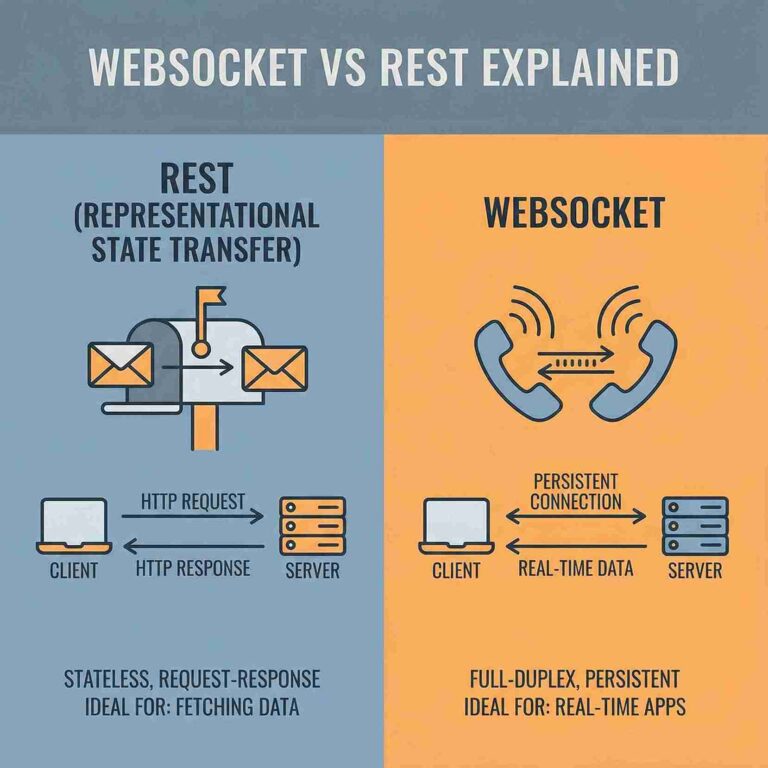
IBRLIVE is a live FX API that is meant to be quick, clear, and accurate. Using REST APIs, it can link to TallyPrime, Zoho Books, QuickBooks, or custom systems.
Some of the most important features are:
- Interbank data that refreshes every few seconds
- Full visibility into bid, ask, and mid rates
- Historical logs for audits and reconciliation
- Pricing starting at $9 a month for SMBs, SaaS companies, exporters, and EdTech platforms
IBRLIVE connects static accounting systems with dynamic FX markets, making it possible to get accurate FX and clear receipts on a large scale.
The Benefits of Real-Time FX API and Clear Receipts
| Advantage | Impact on Business |
| Less fighting because of uncertainty in FX | Fewer chargebacks |
| Clear communication | More trust from customers and more sales |
| Following the rules | Meets RBI, IFRS, and GAAP standards |
| No manual reconciliation | Better efficiency and scalability |
| Value in real time | Accurate financial reporting |
In brief, real-time FX API ensures that the numbers are right, and clear receipts keep customers satisfied. Together, they protect your income.
Who Should Put FX Transparency First?
- People who export and import
- SaaS companies that bill customers around the world
- Colleges and EdTech platforms that accept international payments
- Freelancers and agencies that charge in USD or EUR
- Online stores that ship worldwide
When you move money across borders, you are taking on currency risk. IBRLIVE helps eliminate that risk.
The End
Cross-border transactions can help a business grow, but they can also create problems if the rules for handling foreign exchange are not clear. Tally, Zoho Books, and QuickBooks all offer workflows that use more than one currency, but they don’t automatically update currency rates in real time. Payment gateways finish the transaction, but they don’t show how the rate is broken down.
Chargebacks happen because of this lack of transparency.
Businesses can do the following with a real-time FX API like IBRLIVE:
- Use rates that are correct and up to date
- Provide receipts that are clear and easy to understand
- Maintain consistent reporting
- Build trust that lasts
By using real-time FX API and transparent billing processes, businesses can reduce chargebacks, increase clarity, and build customer confidence around the world.