Why Exchange Rate APIs Are The Quiet Engine Behind Fintech: An Introduction
Imagine this: you’re in Paris, and you’re using Apple Pay to pay for coffee on your phone. Your bank account back home is in INR, yet the transaction goes through right away in euros. Have you ever thought about what makes that magic happen?
The answer is exchange rate API for cross-border payments that work in the background.
Publishing correct currency conversion rates is not a nice thing for fintech companies that handle cross-border payments; it’s a matter of life and death. Customers want to know what’s going on; they want to see the current exchange rate before they agree to anything. Without it, trust goes down and conversion goes down.
APIs make sure such numbers aren’t just guesses. They give you real-time exchange rates, money converter tools, and even help businesses keep up with the rules. And even though there are big firms all over the world in this field, IBRLIVE stands out because it offers speed, accuracy that is first in INR, and RBI alignment for fintechs that work in India.
The Growth of Multi-Currency Needs
Fintech is growing quickly around the world. The World Bank says that remittances reached $860 billion in 2022, with India receiving the most. Meanwhile, mobile payments are still growing around the world. Apple Pay and the Google Pay app conduct billions of transactions every year.
What is the challenge?
Customers don’t simply want things to be easy; they also want them to be clear. No secret spreads. No promises that aren’t clear. When financing a university in the U.S. or transferring money to family abroad, they want to know exactly how much ₹10,000 will turn into. That’s why currency conversion APIs are so important to new ideas in fintech.
- Use Instant Money Converters Powered by Exchange Rate APIs
Have you ever looked for a “money converter” before going on a trip?
APIs make that work. XE and Wise are two fintech apps that use currency exchange rate APIs to give users real-time conversions. This makes sure that clients always see the best euro exchange rate or USD/INR value before making a decision.
Evidence: Wise handles more than £9 billion in cross-border payments every month, using clear APIs to uphold its promise of “mid-market rates”.
- Clear cross border payments
Hidden fees are the worst thing for fintech. APIs enable companies display accurate rates for cross-border payments, which makes sure they follow rules about openness.
The World Bank often talks about how important it is for remittances to have clear disclosures in order to lower costs for consumers.
- Mobile wallets are becoming popular all over the world.
When people use Apple Pay or the Google Pay app to pay for things in other countries, APIs take care of the conversion in the background. Without this, fintechs run the danger of losing clients who are unhappy with unexpected fees.
Evidence: PayPal uses real-time APIs at checkout to make it easier to understand foreign exchange rates, which lowers the number of people who leave their carts.
- Changing Prices in Travel and E-Commerce
Have you ever seen Amazon show you prices in your own currency?
That’s how APIs work. Booking.com and other travel companies use APIs to figure out how much tickets cost based on today’s currency rate. This makes things more clear and cuts down on drop-offs.
- Wallets and accounts that work with more than one currency
Fintech companies that shake things up, like Revolut, let consumers keep more than 30 currencies and convert them right away at real rates. This function is powered by APIs, which provide users peace of mind that they are obtaining the best euro or USD/INR conversion rate in the app.
- Digital kiosks are taking the place of paper rate boards.
There was a time when banks used chalkboards to display how much money was worth. AD II forex companies and FFMCs in India now use APIs like IBRLIVE to show live foreign exchange rates on websites and applications. This looks professional and meets RBI’s criteria for compliance.
- Managing Risk and the Corporate Treasury
Companies that do business around the world use APIs for hedging and forward contracts. Real-time data goes straight to treasury dashboards. Global APIs like OANDA provide you a lot of options, while IBRLIVE offers accuracy that Indian businesses need.
- Working with payment gateways
Stripe and PayPal are two examples of payment gateways that employ currency exchange APIs to manage settlements in more than one currency. Fintech firms can use this model with providers like IBRLIVE, which makes it easy for Indian enterprises to grow and do business around the world.
- Apps and charts for the financial market
Trading applications use APIs to connect to sites like TradingView so that you may see live charts of currency trading or FX EUR/USD. This characteristic draws in retail traders who want accuracy down to the second.
- Reporting, auditing, and following the rules
APIs also take care of the dull but important part: compliance. The rules set by the RBI and the ECB say that companies must report correct exchange rates. APIs give you verified currency rates with timestamps, which makes audit trails easy to follow.
Best Ways to Integrate Exchange Rate API
So, how do you add an exchange rate API to a finance software without destroying anything?
Here are some best practices for integrating a financial exchange rate API:
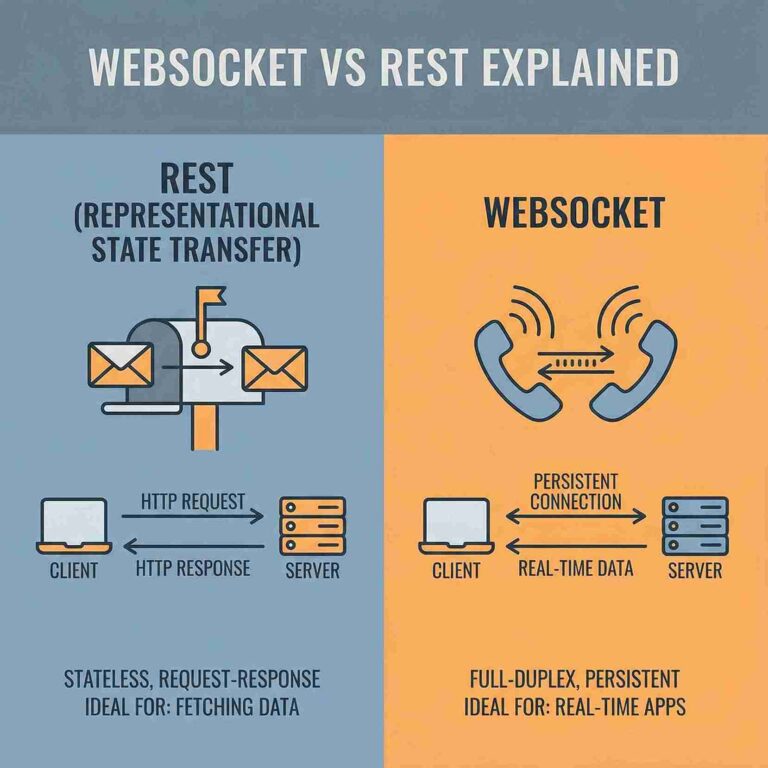
- Keep things simple: use REST APIs that return JSON.
- Make it safe: Always use HTTPS and keys to log in.
- Plan for downtime: save data in a cache and have backup providers. If you don’t, it’s like trading forex without a stop-loss.
- Measure of performance: Check uptime (99.9% or above is required) to see how well it works.
- Compliance: Make sure your provider follows the rules set by regulators like the RBI.
Why IBRLIVE is Good for Fintechs
Sure, Currencylayer and OANDA are amazing worldwide APIs. But when it comes to AD II forex companies, Fintechs or FFMCs in India, IBRLIVE is the best:
- Local Accuracy: Rates that emphasis on INR that global APIs don’t give as much weight to.
- Speed: With a latency of less than a second, clients always see new values.
- Compliance: Unlike other providers, this one is made to work with RBI.
- Developer-Friendly: Easy to understand docs, simple onboarding, and simple REST calls.
IBRLIVE helps fintechs globally by providing accurate Exchange Rate API for Cross-Border Payments but it provides an edge to companies who are based in India but want to grow internationally by bridging the gap between local compliance and international performance.
FAQs
Q1: What’s the simplest approach for fintechs to let customers know about exchange rates?
A: Use an API-powered money converter or currency exchange rate widget like IBRLIVE.
Q2: Do APIs work with mobile payment apps like Google Pay and Apple Pay?
A: Yes. APIs make sure that conversions happen right away, which stops hidden fees.
Q3: How do fintech companies give their consumers the best euro exchange rate?
A: By selecting BRLIVE API for fintech companies that offer clear, mid-market rates with no extra costs.
Q4: What are the best ways to integrate a financial exchange rate API?
A: REST/JSON integration, caching, redundancy, secure endpoints, and checks for compliance with providers.