
by smijoy24 | Dec 28, 2025 | Exchange Rate API
Cross border payments look simple on a whiteboard. “Take $100, turn it into rupees, and send it overseas.” Easy, right? Except when you’re the one building the system, it feels less like arithmetic and more like juggling fire. One bad forex conversion, and suddenly you’re facing irate customers, refund requests piling up like Monday morning emails, and a CFO wondering why the forex numbers don’t add up.
I’ll never forget what a developer once told me about the day their money transfer app melted down. They had been using a free API for currency rates to cut costs. On a Friday — because of course disasters love Fridays — the markets were unstable. His phone wouldn’t stop buzzing with Slack alerts. The foreign exchange rates showing in the app were different from what customers were charged. “It felt like my own code had betrayed me,” he admitted. What followed was a chaotic weekend: thousands of dollars lost to refunds and a string of one-star reviews that haunted their Play Store listing.
Lesson learned? In the world of currency exchange, accuracy isn’t optional. It’s survival.
Why Accuracy in Forex Data Matters?
1. Trust is Delicate
Users don’t just want to see live foreign exchange rates — they demand them. Imagine buying a $100 jacket and finding your card charged ₹9,000 instead of ₹8,200. Would you return to that store? Probably not.
2. Margins Disappear Quickly
The markets never stand still. A tiny slip in an API for currency rates can cost businesses money — or worse, cost users their trust. SMEs in the UK are estimated to lose around £90,000 a year to poor FX practices. That’s not a rounding error; that’s a salary gone.
3. Pricing with Confidence
Every currency exchange app lives or dies by this: $100 should equal exactly what you promised in euros, yen, or rupees. Anything else means disputes, distrust, and dreaded support tickets that begin with “Why was I charged…?”
4. Real-Time or Bust
Delays destroy confidence. Reliable API for currency rates refresh every 30–60 seconds, sometimes faster. Without that, you’re quoting yesterday’s market in today’s transaction. That’s like serving last night’s leftovers at a five-star restaurant. No one’s impressed.
5. The Basics of Automation
Every money exchange app is just gears turning behind the curtain. If your forex tool isn’t reliable, the gears grind to a halt. Reconciliation fails, audits break, and instead of building new features, your developers spend weekends patching bugs.
The Real Cost of Getting it Wrong
Let’s be honest. Without a solid API for currency rates, you’re asking for:
- Refunds piling up like unread emails.
- Regulators breathing down your neck (PSD2, CBPR2 don’t play nice with hidden spreads).
- Settlement delays that turn “instant transfers” into “maybe next week.”
- Worst of all? Users telling their friends never to use your app.
And once trust evaporates in foreign exchange, it rarely comes back.
How Real-Time Rate Services Save the Day
APIs today aren’t fancy add-ons; they’re lifelines:
- Live Accuracy: Updates every few seconds so there are no surprises at checkout.
- Credible Sources: Rates pulled from central banks and interbank feeds, not someone’s half-updated spreadsheet.
- History on Demand: Need to prove what rate you used last April at 3:15 PM? The good ones have it logged.
- Crypto-Friendly: Users expect BTC→USD or ETH→INR conversions. If your provider can’t deliver, they’ll look elsewhere.
- Developer-Friendly: REST/JSON, simple docs, secure keys. Because integrating an API for currency rates shouldn’t feel like assembling IKEA furniture blindfolded.
What Developers and Founders Are Saying
- Developers on DEV.to recommend APIs with batch conversion support and broad currency coverage to keep systems efficient.
- Trio.dev points out that today’s cross border payments still lean on slow SWIFT rails. The future? CBDCs and blockchain rails. Translation: choose an API that’s ready for tomorrow, not just today.
Case Study: 3S Money’s Big Win
Take 3S Money, a UK-based fintech. They were buried under hidden costs, mismatched rates, and endless manual reconciliations. Their solution? An API for currency rates that locked in interbank rates. The results were transformative: faster payments, transparent pricing, and clients who finally felt confident in the service.
It’s proof that the right API for currency rates doesn’t just prevent disaster — it powers growth.
The Providers You Should Know
| Provider |
Coverage |
Update Frequency |
Notes |
| XE |
170+ currencies |
60s to daily |
Aggregates 100+ sources, globally trusted |
| Currencylayer |
168+ + crypto |
60s (paid plans) |
19 years of historical data, easy JSON |
| FastForex |
145+ + crypto |
60s |
1M free calls/month, 9+ years of history |
| Open Exchange Rates |
200+ currencies |
Hourly (free) to live |
Strong developer community, simple setup |
| IBRLIVE |
3000+ currencies |
Real-time interbank |
RBI-licensed, SME pricing from $9, plus forecasting tools |
Why IBRLIVE Deserves Attention
Most APIs just spit out numbers. IBRLIVE builds trust. With real-time interbank rates, RBI licensing, and forecasting tools, it’s made for businesses that can’t afford to gamble on FX accuracy. And starting at just ₹765/month, even SMEs can get enterprise-level forex solutions.
Think of it like flying: lots of providers give you a cockpit. IBRLIVE gives you a cockpit with radar.
Wrapping It All Up
In the world of currency exchange and cross border payments, accuracy isn’t a bonus — it’s the baseline. A reliable exchange rate API or currency converter API means:
- Users always know exactly how much they’re exchanging.
- Compliance is built in, not bolted on.
- Developers don’t spend weekends firefighting API fails.
Providers like IBRLIVE show that when data is right, payments flow smoothly, customers stay happy, and businesses grow without friction.
So next time you’re tempted to save a few bucks with a free feed, ask yourself: is risking trust, money, and your sanity worth the $50?

by smijoy24 | Dec 28, 2025 | Exchange Rate API
Ever tried building a forex trading app and thought, “How hard could it be?” On the surface, it seems simple—just pull prices from a currency exchange rate API and display them to users. But in reality, foreign exchange data doesn’t arrive calmly; it moves fast, spikes suddenly, and can turn unforgiving in volatile markets. One wrong design decision, and users are left staring at frozen or outdated rates while the market races ahead.
So when it comes to WebSocket vs REST, which path do you choose? Let me walk you through it with a few scars from my own journey.
Currency Exchange Rate API via REST: Stability and Simplicity
When I first hacked together a trading bot, I leaned on the REST API. Why? Because it just worked. You send a request, you get an answer—end of story. No drama. In the WebSocket vs REST debate, REST often feels like the dependable old friend.
REST is like the guy in your office who never shows off but always delivers. Want to place an order? REST can handle it. Need yesterday’s EUR/USD data for your day trading simulator? REST’s got your back. Checking balances or grabbing a quick portfolio snapshot? Again—REST keeps things tidy.
Once, while prototyping a simple trading tool for college traders, I stuck with REST purely because I didn’t trust them (or myself) not to break a WebSocket setup. In WebSocket vs REST, REST gave me the consistency to focus on the UI instead of debugging broken connections.
Currency Exchange Rate API via WebSocket: Speed and Live Streaming
Then came the time I needed tick-by-tick prices. REST wasn’t cutting it. Polling every second felt like sipping through a straw during a flood. That’s when I switched to a WebSocket API—and instantly felt the power shift in the WebSocket vs REST battle.
WebSockets shine when:
-
You want live FX data with zero lag.
-
You’re chasing trades where milliseconds matter.
-
Your charts must react instantly when USD/JPY sneezes.
-
You’re tired of wasting bandwidth with constant polling.
But WebSockets aren’t flawless. I’ll never forget the night my WebSocket client dropped mid-London session. Prices kept moving, but my app was blind. By the time I reconnected, the damage was done. Debugging WebSocket reconnections at 2 a.m. is the part of WebSocket vs REST nobody glamorizes.
Still—if you’re serious about competing with the best forex trading platforms, WebSockets are non-negotiable.
Do You Really Have to Pick Sides?
Here’s the honest truth about WebSocket vs REST:
You don’t need to choose. The smartest trading platforms use both.
Use WebSocket for:
Use REST for:
-
Order execution
-
Account info
-
Historical queries
Think of WebSocket vs REST as running a trading desk with two specialists—one shouting every tick, the other managing structured tasks calmly. Together, they’re unstoppable.
That’s why the best day trading platforms follow a hybrid model.
The Trade-Offs Nobody Talks About
In the WebSocket vs REST comparison, both protocols have strengths and quirks:
-
Complexity: REST is simple. WebSockets require lifecycle and reconnection handling.
-
Security: Both support SSL, but persistent WebSocket sessions require monitoring.
-
Scale: REST scales easily. WebSockets need planning for thousands of concurrent connections.
-
Use Case Fit: Trading simulators may thrive on REST, while professional platforms demand WebSockets.
Understanding these trade-offs helps you build smarter fintech systems.
What It Looks Like in Practice
Here’s how WebSocket vs REST plays out in real-world trading apps:
-
Dashboards: REST fetches account history; WebSocket feeds real-time tickers.
-
Day Trading Simulators: REST supplies historical data; WebSocket mimics real-time feeds.
-
Pro Platforms: Both work together—REST for reliability, WebSocket for speed.
This dual approach delivers the experience traders expect.
Why WebSocket or REST Won’t Save a Weak Currency Exchange Rate API
You can win the technical battle but lose the war if your data feed is weak.
I learned this the hard way when my bot quoted a stale USD/INR rate. Even the perfect WebSocket vs REST setup can’t save you if your prices are inaccurate.
That’s where providers like IBRLIVE make a difference. They deliver real interbank rates, in real time, through both REST and streaming APIs. RBI licensing adds trust, while pricing remains SME-friendly. Whether you’re on Zoho, QuickBooks, or building your own forex trading app, a dependable feed is what keeps users loyal.
Wrapping It Up
So what’s the verdict on WebSocket vs REST?
It’s not a boxing match—it’s a partnership.
-
REST is your steady worker—great for stability, structure, and historical data.
-
WebSockets are your adrenaline junkie—built for live streaming and instant updates.
If you’re building a forex trading app, experimenting with a day trading simulator, or chasing the standards of the best trading platform—don’t choose. Use both.
Because in forex, milliseconds matter—but so does reliability.
And the platforms that win? They’re the ones smart enough to balance both.

by smijoy24 | Dec 28, 2025 | Exchange Rate API
Changes in currency values are now one of the biggest threats to Indian exporters’ revenues. Things like geopolitical tensions, shifting interest rates, and commodity cycles can make exchange values change a lot in just a few days or even hours. Because most Indian exports are paid for in USD, EUR, GBP, or AED, these fluctuations have a direct influence on margins, cash flow, competitiveness, and long-term planning. This is exactly why many exporters are now turning to a Foreign Exchange API to track these movements in real time and reduce uncertainty.
Exporters don’t need calls from banks that take a long time to get through, static spreadsheets, or rates from yesterday. They need real-time currency information—and this is where an Foreign Exchange API becomes essential. A reliable Exchange Rate API can help significantly with making hedging decisions, sending accurate invoices, and generating timely predictions.
The Problem: INR Risk and Unstable FX
The money is still made in INR even when an exporter bills a buyer in USD or EUR. If the currency changes between the time the invoice is sent, the shipment is made, and the payment is made, it could cut into profits.
Exporters often have to cope with these issues:
- It’s hard to forecast how the USD/INR will move.
- Relying on rates set by banks
- Costs are wrong because of obsolete data
- Losing money when settlements are late
- Buyers disagree on how clear the conversion is
If you charge 1 USD = ₹82.20 but the rate drops to ₹81.45 by the time you get paid, you lose ₹0.75 per dollar, which is a lot of money if you do a lot of business.
Why Exporters Can’t Rely on Old Methods
| Old Method |
Problem |
| Getting quotes from banks over the phone |
Slow, not always the same, and depends on what you think |
| Checking rates on Google |
Not good enough for businesses; there’s no way to check rates |
| Tracking by hand with Excel |
Slow to respond and easy to make mistakes |
| Just using Fed/RBI circulars |
Not in real time |
Exporters need data supplied immediately to their systems that is real-time, automated, and dependable.
Three Main Ways Foreign Exchange API Can Help
1. Hedging based on timing and data
Instead than hedging solely on gut emotions or quotes that come in late, exporters can perform the following:
- Set up automatic hedge triggers, like “hedge if USD/INR goes below 82.00.”
- Watch the spreads between banks and between banks and other banks.
- Use forward cover more wisely
Live FX APIs enable exporters to respond in minutes instead of hours, which decreases the risk on open exposures.
2. FX invoicing that is more open and smart
A lot of exporters can’t negotiate anymore since buyers want precise invoices.
APIs let you:
- Live billing in USD/INR after the invoice is sent
- Buyers can see locks on rates
- Adjusted proforma bills for foreign exchange
The end effect is fewer arguments, quicker closings, and more trust.
3. Making plans for financial flow and predicting it
Exporters need to be able to make accurate guesses about how the foreign exchange market will move so they can plan production cycles, procure raw materials, and keep an eye on their credit risk.
Exchange Rate APIs work with ERPs, accounting software, or internal pricing systems to aid with:
- Mapping cash flow by month
- Scenario planning (the best and worst-case FX)
- Guessing how much money you’ll make before you take orders
Forecasting changes from being reactive to being proactive.
How to Use FX API, ERP, and Your Bank in Real Life
This is how a simpler workflow looks:
| Step |
The System |
What to Do |
| 1 |
API |
Get real-time rates for USD/INR, EUR/INR, and GBP/INR. |
| 2 |
SAP, Tally, and ERP |
Apply rates to costs and bills |
| 3 |
Bank/AD |
Execute a hedge or convert at the best rate. |
This means that currency is the only source of truth, which makes it easier for the finance, sales, and treasury departments to operate together.
Comparison in the Real World: A Situation Without an API and One With a Live Foreign Exchange API
| Aspect |
Without API |
With Live FX API |
| Rate of billing |
Doesn’t change or takes a long time to alter |
Understanding of real-time rates |
| Hedging |
Make a guess |
Data-based alerts |
| Predicting |
Old and done by hand |
Correct and automated |
| Effect on profit |
Leaking margin |
Cover for the margin |
What to Look for in a Live Foreign Exchange API:
Exporters should choose an API that has:
- Rates between banks in real time
- Access to old data
- Seeing the bid and ask
- Secure REST API
- A lot of time online
- Currency pairs that have INR as their main emphasis
You can use Live Foreign Exchange API like IBRLIVE, Open Exchange Rates, and Currency layer to aid with these tasks. (IBRLIVE is especially helpful for INR pairs that can only be found in India.)
In the End
Changes in the global economy are natural, but losses don’t have to be big. Indian exporters can:
- Strengthen ways to hedge
- Make your bills easier to read
- Make sure you can make forecasts
- Even when things are unstable, keep margins safe.
Real-time FX data changes doubt into a plan. Exporters who use these tools will do better than those who still do things the old-fashioned way.

by smijoy24 | Dec 28, 2025 | Exchange Rate API
In the world of cross-border payments, prepaid wallets and multi-currency apps are battling hard for the title of “best exchange rate,” increasingly powered by transparent pricing built on a reliable Currency API. People don’t like losing money because of hidden spreads, unfair markups, and unclear conversions, which makes this a powerful selling point. But offering the greatest rate often means less money for the wallet provider—and in fast-fluctuating markets, it can quickly turn into a bad deal.
How can a wallet offer rates that are better than those at a bank and still make money?
The answer lies in using a real-time Curency API along with a robust FX strategy.
Why “Best Rate Guarantee” Is the New Fintech USP
People are comparing more and more things, even the costs of changing money. They think that trust and openness are the same thing. Fintech wallets that offer current, fair, and clear FX rates right away are different from:
- Banks with huge spreads
- Money changers that charge extra fees
- Apps that silently raise pricing in the middle of the market
A wallet displays fairness and builds long-term loyalty by offering a “Best Rate Guarantee.”
The Problem with Making Money
The trouble is that FX spreads don’t look like much, yet here is where wallet businesses generate money. In a standard conversion,
| Part |
Explanation |
| Interbank Rate |
The markup or spread, which is the wallet’s profit, is the genuine market rate. |
| Buffer for Change |
A safety net when rates go up or down |
If a wallet tries to beat the rates of every other wallet all the time, especially if it doesn’t have genuine data, it could wind up pricing below cost, losing spread revenues, having difficulty during market spikes, and fighting with customers.
This is why it’s crucial to be able to see FX right away.
How Curency API Solve the Margin vs. Transparency Problem
Instead than relying on delayed bank feeds or static spreadsheets, wallets can connect to live Currency API that get interbank values in real time. For example, APIs like IBRLIVE send exact USD/INR or EUR/INR feeds straight to a wallet’s pricing system.
This functionality lets a wallet accomplish the following:
- Look at the market right away
- Rates alter every few seconds or minutes.
- Instead of a fixed markup, use a smart one.
- Lock in short-term rates
- Make it apparent how many conversions there are
This helps you give a Best Rate Guarantee that is based on facts.
Clever ways wallets can make money without losing it
Wallets can employ a number of methods to offer the best rate while yet keeping their money safe:
- Dynamic Markup
Change the margins based on how volatile the market is instead of using a fixed percentage.
- Rate with a Time Limit Locks
Lock a shown rate for only 30 to 120 seconds, not for long periods of time.
- Controls for the Volatility Threshold
When the market moves a lot, stop or widen spreads.
- Pricing Based on Corridors
For different corridors, such as USD-INR and GBP-INR, use different markup logic.
- Looking at what other companies are doing
Check out rates from banks and public sources like Google FX, and then illustrate how much you can save in a form that is easy to understand.
With and without the Curency API
| Scenario |
Without Curency API |
With Curency API |
| Rate Source |
Live interbank stream that is stuck or late |
Interbank stream that is real time and fast |
| Margin Control |
Manual |
That Changes Based on Rules |
| Trust Factor |
Low trust factor |
High trust factor because of transparency |
| Risk |
High |
Managed |
Things to Look for in an Curency API
A good Curency API should have:
- Real-time interbank rates
- Pairs of INR currency
- Support for WebSocket or quick refresh
- Information about past rates
- Adding REST in a safe method
- A lot of time and reliability
IBRLIVE, Open Exchange Rates, and Currencylayer are all APIs that can help with these needs. IBRLIVE is really helpful for INR corridors.
Finally
A “Best Rate Guarantee” is no longer just a marketing term. It helps people trust each other. But to give it away without damaging profits, wallets need to stop using static rate tables or one-time bank feeds. Instead, they should do this:
- Use live Currency API to get the exact price.
- Use dynamic markup logic
- Use volatility controls to keep spreads safe.
With the right API and pricing strategy, wallets can be profitable while showing customers real-time conversion rates that are easy to grasp.
by smijoy24 | Dec 27, 2025 | Blog, Exchange Rate API
If you’ve ever made a forex trading app, integrated accounting software, or a currency conversion tool, you know that having the appropriate currency rates is not just a nice-to-have; it’s a must. A good forex API can make the difference between seamless transactions and a lot of refunds.
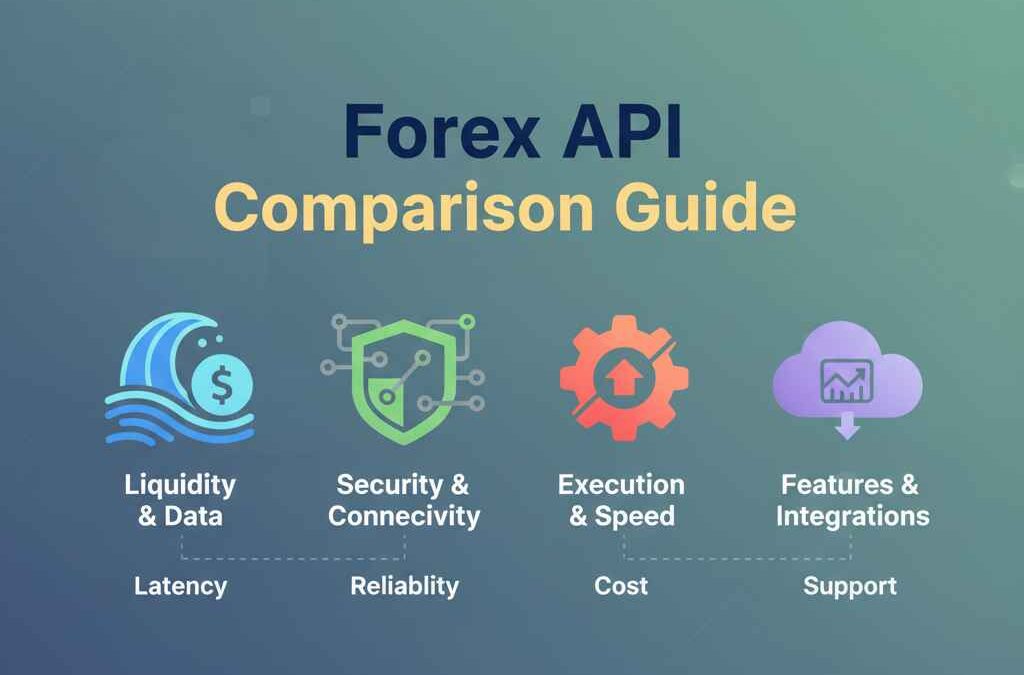
When developers discuss the best exchange rate API or best currency exchange API, four names always pop up: IBRLIVE, Oanda, Xe.com, and Exchange Rate-API (along with Fixer.io). Each claims to be the fastest, most precise, or most “real-time” — but do they really deliver?
Let’s break it down — not just for traders, but for exporters, SaaS companies, and even students handling international tuition or remittance payments.
Why This Comparison Matters
Live data is the most important part of every current foreign exchange product, from a day trading simulator to the greatest forex trading platform.
A delay of just a few seconds can mess up pricing models or computations for compliance. Your choice of data source affects accuracy, transparency, and trust, whether you’re administering QuickBooks Online, creating a forex trading app, or connecting a forex API to a CRM.
When choosing an API, you need to find a balance between speed, uptime, and cost. That’s when the real fight starts.
IBRLIVE: The Game-Changer for Developers and Global Students
Enter IBRLIVE, a name that’s been quietly rewriting how real-time forex data is delivered.
Most APIs just hand you numbers. IBRLIVE hands you context. Instead of minute-by-minute refresh cycles, it streams live interbank FX rates — the same rates banks and institutional platforms use.
I once talked to a fintech founder who integrated IBRLIVE into their multi-currency invoicing tool. “We cut manual updates by 90%,” they said. “No more Slack debates about which rate was correct.”
And it’s not just developers who benefit. Students studying abroad or families sending money through IBRLIVE-powered apps enjoy transparent, up-to-the-second exchange rates. When your rent, tuition, or remittance depends on today’s conversion, that precision can save real money.
What Makes IBRLIVE the best exchange rate API
- Free Plan: IBRLIVE lets you use free currency API
- Affordable plans: Starts at just $9/month for 35,000 API calls — less than your monthly coffee bill.
- Unlimited plan: $268/month — far cheaper than most enterprise APIs.
- All currency pairs included, with no hidden tier limits.
- Access to Mid, Bid, Ask, and OHLC data even in base tiers.
- 24/7 human support, not just automated emails.
- Technical indicators and forecasting tools for analytics-driven apps.
- Build-your-own-plan flexibility, letting you scale on your own terms.
If you’re building a currency trading tool, a student remittance platform, or a forex trading app that relies on transparent foreign exchange rates, IBRLIVE gives you data that builds trust — no doubt.
Oanda: The Veteran of Institutional-Grade FX
Oanda has been a major player in the forex API industry from the early days of the internet. It gives you real-time FX data every five seconds for more than 200 currencies, metals, and even crypto assets at higher levels.
It’s a popular choice for hedge funds, FX trading apps, and day trading platforms where institutional accuracy is more important than cost.
But Oanda’s prices aren’t great for smaller developers or businesses because they start at about $400 a month. Its best benefits are in trading systems for businesses or forex factories that need a lot of bid/ask data and spreads.
Xe.com: The Corporate Favorite
With its global credibility and coverage of 220+ currencies, Xe.com remains a household name in foreign exchange.
Its API refreshes every 60 seconds, integrates with QuickBooks, Zoho, and ERP systems, and offers developer SDKs in Python, Java, and Node.js.
That said, starting at $799/year, Xe.com is clearly targeted at corporates. It’s excellent for companies that need stable, compliant currency conversion feeds within accounting software — not necessarily for developers experimenting with a new forex trading app.
For developers who just want to get started quickly, both ExchangeRate-API and Fixer.io are strong choices.
They offer free REST API access, clear documentation, and reliable 60-second updates — ideal for light e-commerce or test projects.
But as soon as you scale or need real-time FX data, you’ll hit walls: no bid/ask data, limited endpoints, slower refresh, and only email-based support.
They’re perfect for proof-of-concept projects or small accounting apps, but not for day trading simulators, enterprise-grade systems, or high-frequency trading environments.
Forex API Comparison Snapshot
| Feature |
IBRLIVE |
Oanda |
Xe.com |
Fixer.io |
ExchangeRateapi.io |
| Free Plan |
Yes |
Trial |
Trial |
Yes |
Yes |
| Real-Time Rates |
Yes |
Yes |
60 sec |
60 sec |
60 sec+ |
| All Currency Pairs |
Yes |
Yes |
Yes |
170 |
170 |
| Mid + Bid/Ask + OHLC |
Yes |
Yes |
Partial |
No |
No |
| Build-Your-Own Plan |
Yes |
Limited |
No |
No |
No |
| Cheapest Price (USD/mo) |
$9 (35,000 calls) |
$404+ |
$66+ |
$13.99 |
$13.99 |
| Unlimited Plan (USD/mo) |
$268 |
Expensive |
Expensive |
No |
No |
| 24/7 Human Support |
Yes |
Yes |
Limited |
Limited |
Email Only |
| Technical Indicators |
Yes |
Partial |
Partial |
No |
No |
| Historical Rates |
Yes |
Yes |
Yes |
Yes |
Yes |
| Uptime |
99.99% |
99.99% |
99.99% |
High SLA |
High SLA |

by smijoy24 | Dec 27, 2025 | Exchange Rate API
If your business works with more than one currency, you presumably use TallyPrime, Zoho Books, or QuickBooks Online. You could, for example, send bills to customers in other countries, pay vendors in other countries, or obtain tuition payments from students in other countries—often alongside an Forex API to ensure accurate conversions. All of these systems can keep track of money in more than one currency.
But even while they have basic functionality, they don’t usually do a good job of keeping track of currency rates in real time.
That’s where a live Forex API like IBRLIVE truly comes in handy.
Why It’s Important to Know the Right Exchange Rates
In today’s fast-paced world economy, the value of money changes all the time. Using archaic or set rates can cause:
- Invoices that have the wrong prices
- Headaches from reconciling
- Paying for products in other nations and losing money
- Not obeying the rules in your area
You need real-time FX data to get the numbers correct, no matter if you’re billing in USD, reconciling payments in EUR, or filing taxes in INR.
How Tally, Zoho, and QuickBooks Handle FX (and What They Don’t Do Well)
TallyPrime: It works, but you have to do it yourself.
- How It Works: It works with ledgers for other kinds of money. You have to enter the currency rates manually in the “Exchange Rates” section.
- Tally’s ability to automate: Tally permits third-party connections over XML/HTTP, which is great for connecting a real-time FOREX API like IBRLIVE.
- Limitations: There is no built-in automation, and rates have to be entered every day to be up to date.
Zoho Books: Easy Auto-Feed
- How It Works: You provide each contact a currency, and Open Exchange Rates automatically gets the rates.
- Limitations: It only works with one feed, only gives mid-market prices, and is only available in higher-tier programs.
QuickBooks Online: Good, but Not Great
- How It Works: It gets pricing from IHS Markit every four hours and updates invoices depending on those prices.
- Limitations: Can’t see RBI rates or bid/ask spreads; doesn’t get updates in real time; and isn’t very flexible.
The Issue with Built-in Rate Handling
These systems have solid frameworks, however they don’t always have:
- Accuracy in real time: Delayed rates might use data from yesterday to execute a transaction that happens today.
- Automation: Typing in data by hand takes a long time and is easy to get wrong.
- Reliable reconciliation: Problems arise when platform rates and bank rates are not the same.
- Real-world specifics: Business buyers need to see bid, ask, or mid-market pricing, not just midpoints.
IBRLIVE: A Real Time Forex API That Works Right Away
It is easy for developers to use the IBRLIVE FOREX API, which is built for speed and accuracy.
The main benefits are:
- Live Interbank Data: Rates change right now, just like the market does.
- Bid, Ask, and Mid Rates: These are important for accurate financial reporting when you buy or sell something.
- Integration with REST APIs: You can easily connect to accounting software using an API or middleware.
- Plans that don’t cost much: Start at just $9 a month, which is perfect for small businesses and freelancers that work in more than one country.
An exporter who uses QuickBooks and IBRLIVE is an example from the real world.
- An invoice for ₹75.50 was sent out on June 1.
- We got a payment of ₹76.20 on June 3.
- Without an API, you have to change and write down a ₹700 gain by hand.
- IBRLIVE instantly pulls in the most recent rate and records the increase straight immediately, so you don’t have to guess.
Why would you want to connect to a FOREX API in real time?
- Accuracy: Get pricing based on the market right now, not what it was like four hours ago.
- Efficiency: Stop looking things up and entering in data by hand every day.
- Compliance: To pass an audit or pay taxes, you need to reach the benchmark rate.
- Scalability: As the number and complexity of FX reports rises, keep them tidy.
The Main Point
TallyPrime, Zoho Books, and QuickBooks all have built-in support for more than one currency, but they aren’t geared to keep up with changes in the forex market in real time.
By integrating a real-time FOREX API like IBRLIVE, businesses can:
- When reconciling, don’t make costly mistakes.
- Make sure that daily rate updates happen on their own.
- Be in charge of FX reporting
- Make compliance more precise
IBRLIVE turns static accounting software into a dynamic, internationally aware platform that is perfect for exporters, schools, SaaS companies, or anyone who has to deal with payments across borders.
And it doesn’t cost much.

